Rental software for trailers
Trailer rental software without the fields a trailer does not have.
Online booking, day and week prices, a deposit on the card, a late fee by the hour and a signed agreement, with no kilometres, fuel or gearbox on the form. Free for any number of trailers.
What trailer rental software has to do
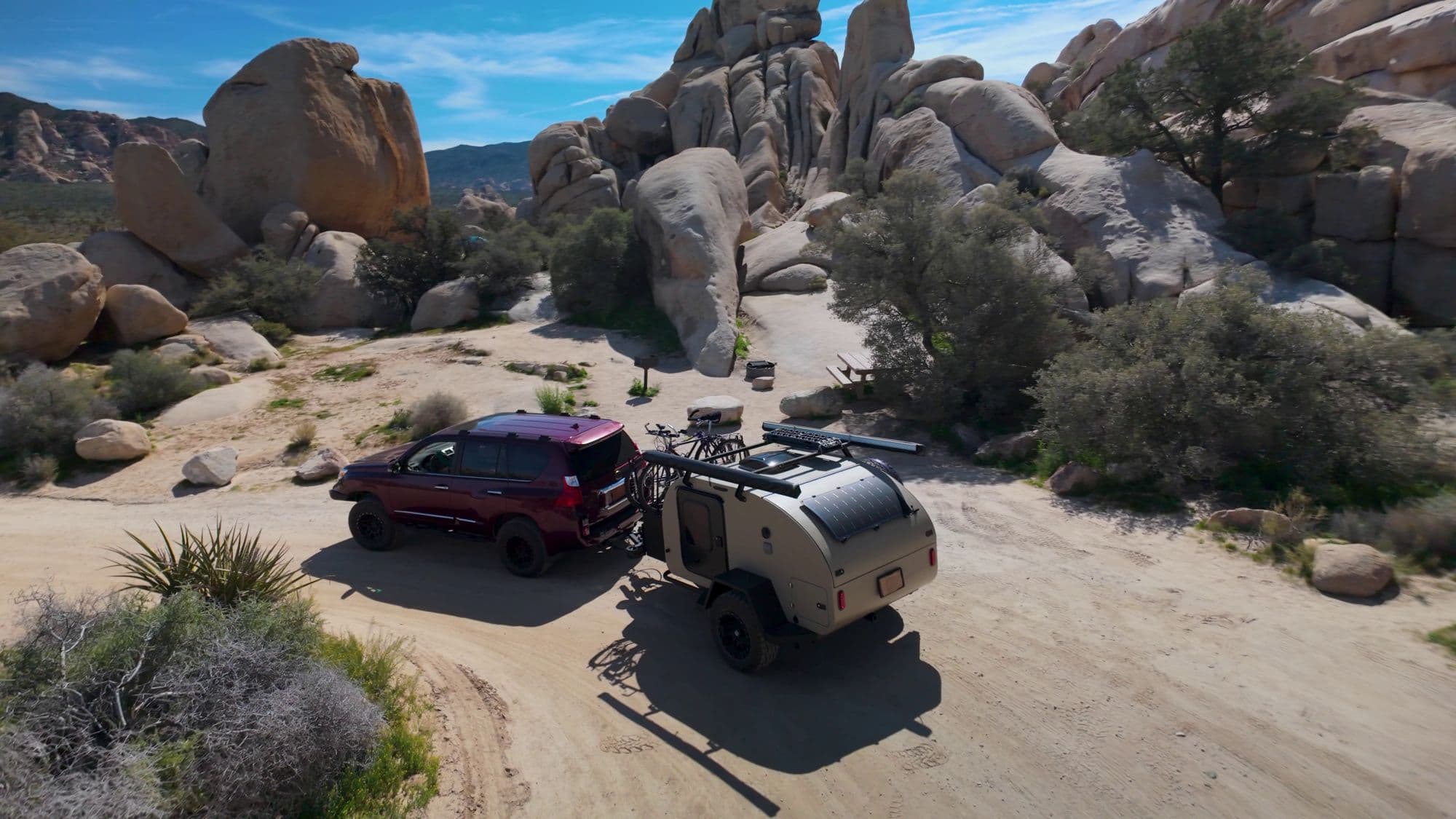
Trailer rental software books the trailer, prices it by the day or the week, holds a small deposit, charges for late returns and gets a signed agreement that says what was checked at hookup. A trailer has no engine, no fuel and no odometer, so software written only for cars asks the wrong questions. Keynetic lets a class be equipment and leaves those questions out.
Checked against the product on .
What this class is
Other equipment
One field on the class form. Choosing it changes the booking page, the mails and the agreement like this:
- Who signs
- A renter: the booking page and the agreement say renter, not driver
- Driving licence
- Asked while Require driver licence is on; switch it off and it is no longer asked
- Doors, bags, gearbox, air conditioning
- Left off the class form and the booking page
- Kilometres
- No kilometre allowance and no kilometre line
- Odometer and fuel on the agreement
- Printed only when your handover and fuel settings ask for them
- Seats
- Shown on every class card
What Keynetic does for a trailer fleet
A class that is equipment
Set a trailer class to Other equipment: no kilometre allowance, no doors or gearbox on the form, a renter instead of a driver, and odometer and fuel rows that print only if your settings ask for them.
Licence asked or not, by one switch
A trailer class asks for a driving licence only while Require driver licence is on. Keep it on to record the tow driver, or switch it off for a yard that hires to trade customers.
Late returns charged by the hour
A late fee per started hour, with a grace period and a cap at a day rate, is printed on the agreement and charged at check-in.
Straps, ball mounts and adapters as extras
Extras are named by you and priced per day or once per rental. They are offered on the booking page and at the counter and print on the agreement.
Service and registration dates watched
Service plans come due by date, per class or per trailer, and registration and insurance expiry dates raise reminders by email or WhatsApp before they lapse.
Trailers and tow vehicles on one desk
A workspace holds classes of different kinds side by side. Trailers, vans and pickups share one timeline, one booking page and one set of customers.
Day one, in order
- 1Create a class per trailer type (utility, enclosed, car hauler, dump) and set What this class is to Other equipment.
- 2Upload your own photo of each class.
- 3Type the day, 7 day and 30 day prices and any other length, such as a weekend.
- 4Decide whether the licence is asked: Require driver licence under Control Panel, Checkout.
- 5Switch off the flights and fuel policy fields on the booking form.
- 6Write the hookup rules and fees into the house rules, and set the late fee.
- 7Connect Stripe, then choose what the booking page collects and how the deposit is taken at handover.
How trailer rentals are priced, and how each way is set up
Trailers rent by the half day, the day, the weekend and the week, with a small deposit and a late fee by the hour.
| How it is sold | In Keynetic |
|---|---|
| Day, weekend and week | Yes. A price per rental length, each the price of the whole period. |
| Late fee per hour | Yes. Per started hour after a grace period, capped at a day rate. |
| Deposit returned after inspection | Yes. A card hold released or applied at check-in. |
| Accessories per rental | Yes. Extras priced per day or once per rental. |
| A half-day price | No. A fixed-term rental bills at least one day. |
The trailer handover checklist
A trailer leaves attached to a vehicle you have never seen. The hookup is the handover: check the pairing, not only the trailer.
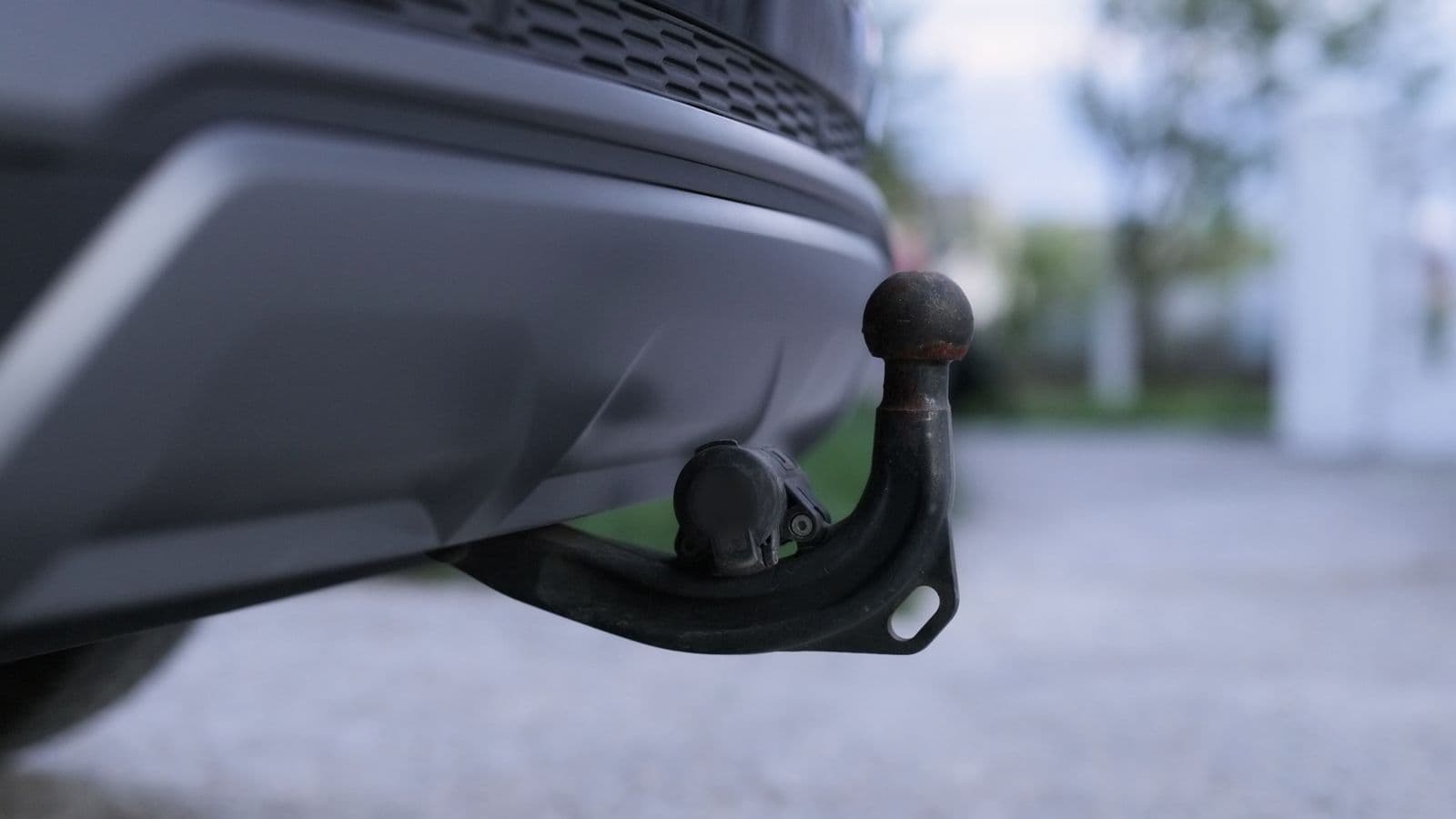
- Coupler size matches the tow ball, and the coupler is latched and pinned
- Safety chains crossed under the tongue and attached
- Breakaway cable attached to the vehicle, not to the hitch
- Plug connected and every light tested: tail, brake, both indicators
- Tyre pressure checked cold, and the spare present and inflated
- Wheel nuts tight and hubs cool, with no bearing play
- Ramps or tailgate secured with their pins
- Deck, sides and tie-down points photographed
- Straps and accessories counted
- Tow vehicle rating checked against the loaded weight
- Plate and registration on the trailer
- Loading advice given: weight forward of the axle, load tied down
keynetic.online/rental-software/trailers
Where a trailer rental loses money
Tyres
An underinflated trailer tyre fails on the motorway and takes the wiring and a mudguard with it. Trailers that sit for weeks also crack with age. Pressure at every hookup, and a service plan by date, catch both.
The wrong ball
A coupler on a ball one size too small can lift off. Some yards colour-code couplers and balls; every yard should check the pairing before the trailer moves.
Lights that worked yesterday
Corroded plugs are the most common fault found at the roadside. Test every light with the renter watching, and note it on the agreement.
Trailers that come back tomorrow
A cheap rental invites a late return. An hourly late fee on the signed agreement is the reason it comes back on time.
Licence, age and safety rules
What a driver may tow on a car licence, and whether the trailer needs its own brakes, registration and insurance, differs by country and state. Check your own, and remember that a renter’s personal motor policy often does not cover a hired trailer.
In Great Britain, for example, a driver who passed the car test from 1 January 1997 may tow a trailer of up to 3,500 kg maximum authorised mass, a rule in force since 16 December 2021.
Keynetic records the renter and, when the licence setting is on, the licence. It has no fields for the tow vehicle, the ball size or the plug type; put them in the booking notes.
Sources
What Keynetic does not do for trailers
- No half-day or hourly price: a rental bills at least one day.
- No fields for the tow vehicle, hitch ball size or plug type.
- No trailer inspection drawing: damage marks go on a plain vehicle outline.
- No stock counts on accessories.
- No GPS tracking integration.
What it costs
- Software, every feature
- $0.00
- Per vehicle, per user, per location
- $0.00
- Setup and migration
- $0.00
- Card payments taken online
- 0.5%
- Bookings through your booking page
- 3%
- White-label: your brand and your domain (optional)
- $49 / month
Cash and counter terminal payments carry no Keynetic fee, and White-label removes the 0.5%. The card processor charges its own rate. Full pricing
Questions trailer operators ask
Does the booking form ask for kilometres and fuel on a trailer?
No. A class set to Other equipment has no kilometre allowance, and the odometer and fuel rows on the agreement follow your handover settings. The flights and fuel policy fields on the booking form are switched off with two settings.
Can I rent trailers and vans from the same account?
Yes. Each class has its own type, so trailers, vans and pickups share one workspace, one timeline and one booking page.
Can I take a deposit and return it after inspection?
Yes. With your own Stripe account connected, the deposit is collected at handover as a card hold or as a charge and refund. At check-in you release it in full or apply an amount.
Is there a half-day rate?
No. A fixed-term rental in Keynetic bills at least one day.
What does it cost?
Every operations feature is free with unlimited trailers, users and locations. Keynetic earns 0.5% on card payments taken online and 3% on bookings made through your booking page. Cash and counter terminal payments carry no Keynetic fee.
Other fleets on the same desk
Vans and trucks
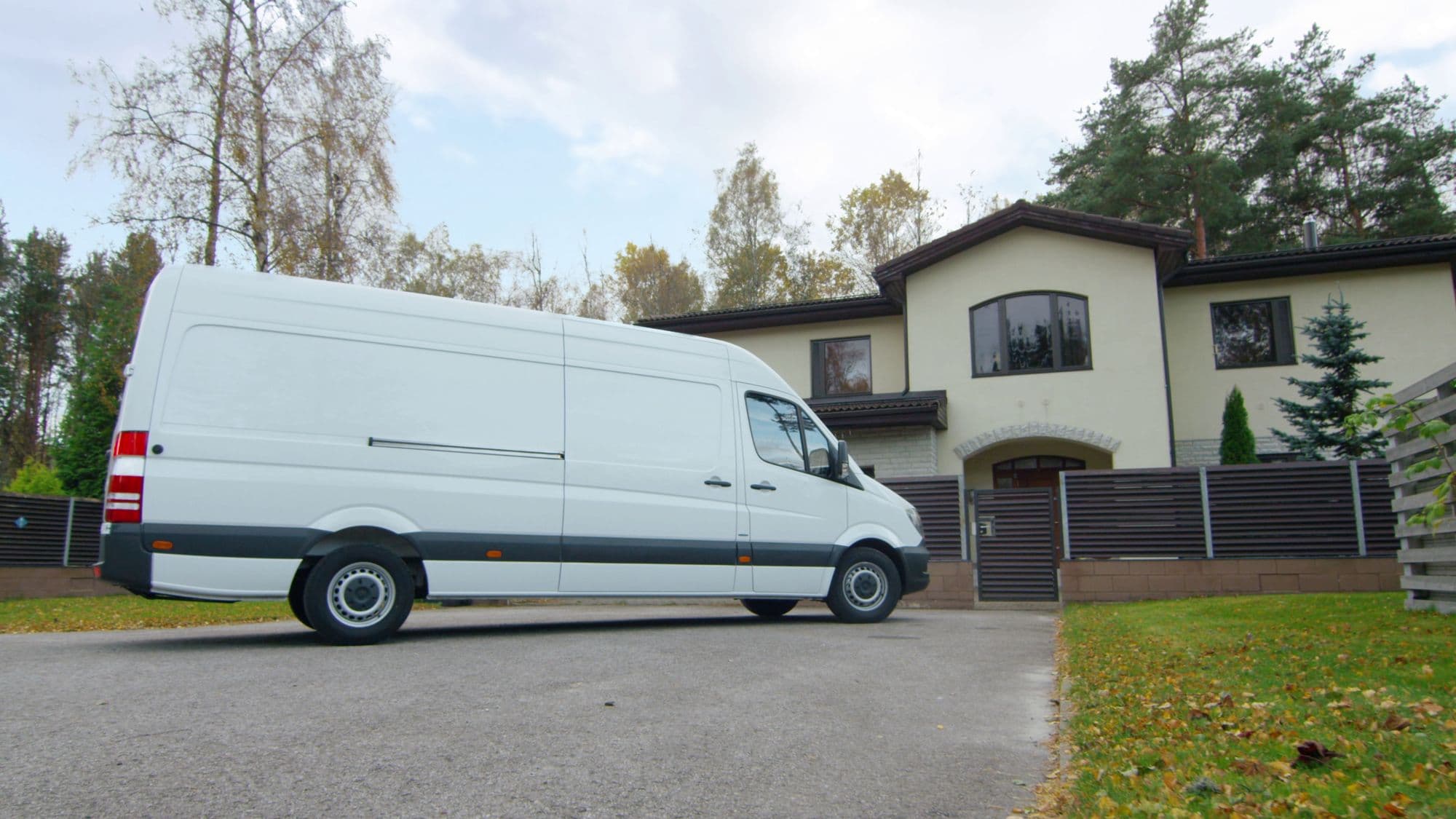
Mileage charges, fuel out and back, inspection drawings for the common vans and pickups, and business customers on invoice.
RVs and campervans
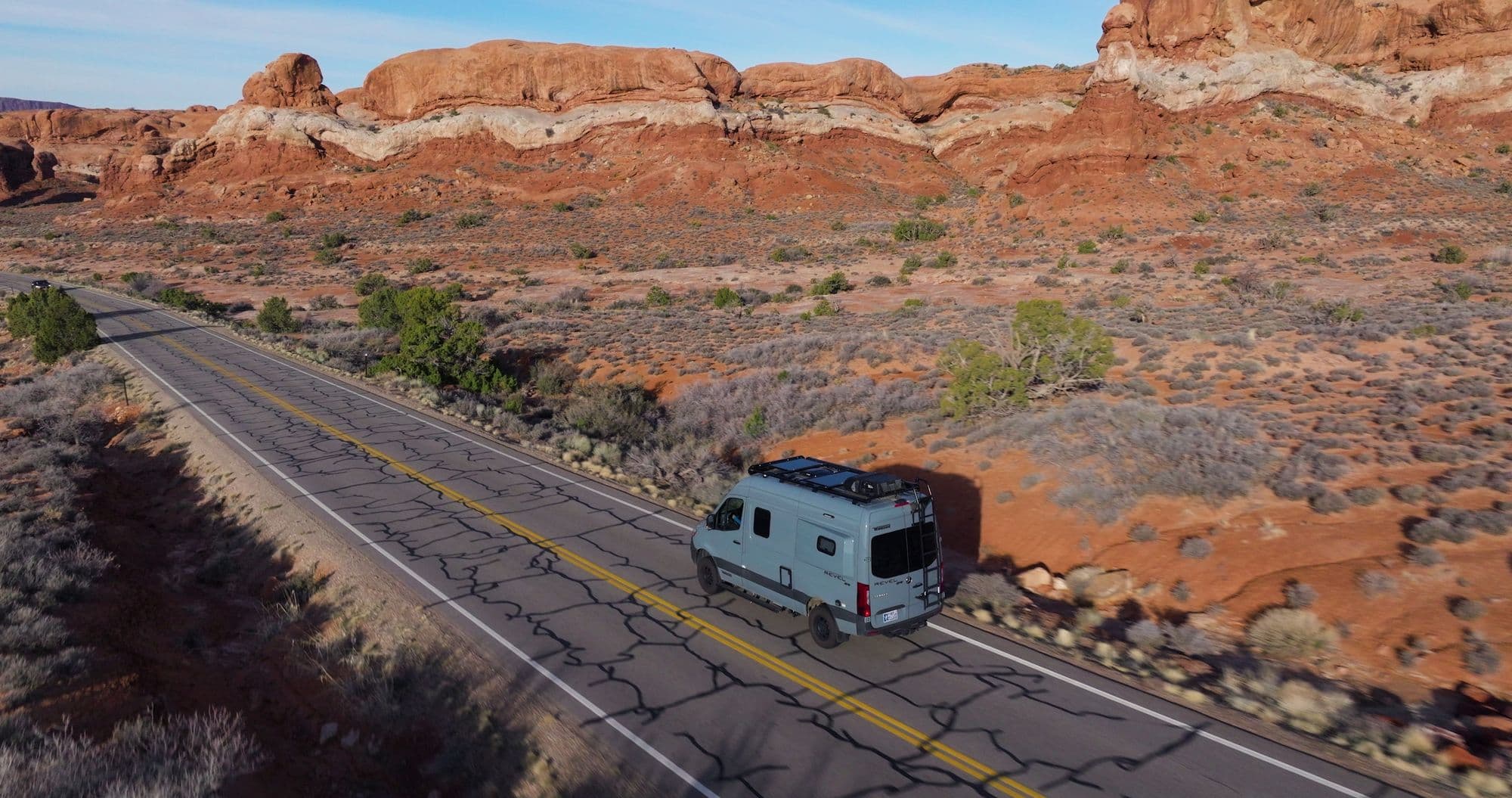
Season prices by length of stay, a mileage allowance, bedding and kit as extras, and a long, documented handover.

Boats
Day and week boat hire with a skipper and fuel as extras, deposit holds and no kilometres or car fields anywhere.

Put your trailer fleet on it this afternoon
Create the account, set the class type, load your price list and take a test booking end to end. No card and no contract, and your data exports whenever you want it.